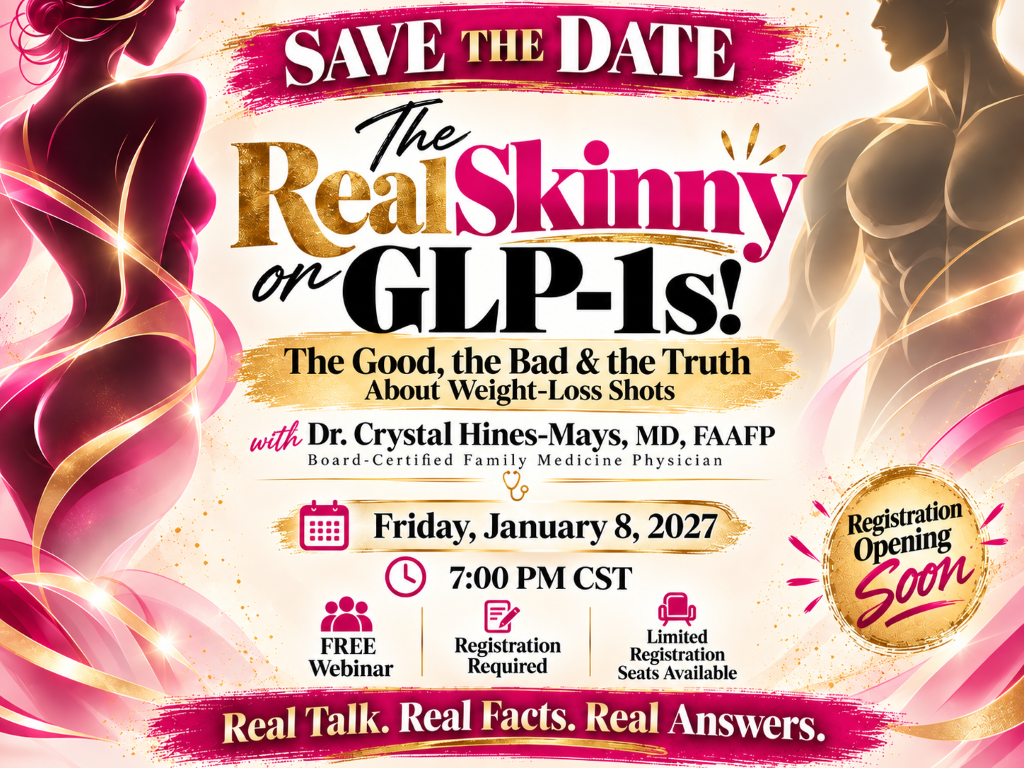

Loving Yourself While Wanting Change: How to Break the Shame Cycle Around Weight and Body Image

- I want to lose weight.
- I want to feel better in my body.
- I want change.
- But I also don’t want to hate myself while I’m getting there.
A lot of women live in the tension of these back-and-forth thoughts. You may want to feel stronger, improve your health, or feel more comfortable in your body. These are all wonderful goals. The problem begins when the desire for change gets tangled up with shame.
You start telling yourself that you should be more disciplined, more motivated, or harder on yourself. You look in the mirror and begin focusing only on what you want to change. Before long, one difficult meal, missed workout, or hard week starts to feel like proof that you have failed.
Shame may feel motivating for a moment, but it cannot create the kind of steady, sustainable care that helps you keep going.
How Shame Keeps the Cycle Going
The shame cycle is often predictable. You feel unhappy with your body, speak harshly to yourself, and decide it is time to finally get serious. Maybe you cut out foods you enjoy, start an intense exercise plan, or make rules that are difficult to maintain in real life.
Then something happens:
- Work gets stressful.
- You miss a workout.
- You eat something you had labeled “bad.”
- You get tired.
Instead of treating each experience as one ordinary moment, shame steps in and says, “See? You failed again.”
That voice usually leads to more discouragement, more self-criticism, and sometimes giving up altogether.
Research on self-compassion and health behavior points toward a more helpful approach. One meta-analysis found a positive association between self-compassion and health-promoting behaviors, while a systematic review focused on weight management found promising evidence that self-compassion may help support healthier responses to setbacks.
In practical terms, being kinder to yourself does not mean you stop caring or lower your standards. It can make it easier to get back up, learn from what happened, and keep moving forward.
And that is the goal: not perfection, but progress you can actually continue.
Your Body Can Change Without Changing Your Value
One of the hardest beliefs to untangle is the idea that your worth will finally arrive when your body changes.
Maybe the thought sounds like this:
“When I lose the weight, I’ll finally feel confident.”
“When I fit into that size, I’ll feel better about myself.”
“When I look different, then I’ll be able to love myself.”
But your worth is not waiting for you at a lower number on the scale.
You are not more valuable on a day when your clothes fit differently, and you are not less valuable because your body changed after pregnancy, menopause, stress, illness, grief, aging, or just living life.
Acknowledging your value does not mean you have to love every part of your body every day, or that you cannot have goals. It simply means your current body does not have to become a condition for receiving your own care.
You can say,
“I want change,”
while also saying,
“I am worthy of kindness now.”
Notice How You Speak to Yourself
A very practical place to start changing your mindset is to evaluate the voice in your head.
Shame says, “You should be embarrassed.”
A healthier voice says, “You can want change without tearing yourself apart.”
Shame says, “You’ll be worthy when you lose the weight.”
Truth says, “Your worth is not waiting at a lower number on the scale.”
Shame says, “You failed again.”
Growth says, “What can I learn from this, and what support do I need next?”
There is a difference between honesty and cruelty.
Honesty says, “This habit is not helping me.”
Shame says, “I am the problem.”
Honesty gives you something useful to work with. Shame makes your whole self feel defective.
When you notice that harsh voice, pause and ask:
Would I speak this way to someone I love? Would I tell a friend she is a failure because she had a difficult week?
You deserve the same honesty and compassion you would offer someone else.
Replace Punishment With Partnership
Instead of asking, “How do I force myself to change?” try asking, “How do I care for myself well while I pursue change?”
That small shift changes a lot.
Food can become support instead of punishment. Movement can become a way to build strength instead of a way to make up for what you ate. Rest can become part of healing instead of something you have to earn. Boundaries can protect the time and energy you need to care for yourself.
Loving yourself does not mean you stop growing, but it does mean you stop using hatred as your growth strategy.
You can work with a physician, change the way you eat, start exercising, improve your sleep, address health concerns, or set a weight-loss goal. And you can do all of that without speaking to yourself like an enemy.
When you do, your motivation begins to shift from:
“I have to fix myself because I am unacceptable.”
to:
“I want to care for myself because I matter.”
That is a very different place to begin, and it can create a healthier foundation for lasting change.
A Better Way to Move Forward
When you feel yourself slipping back into criticism, come back to a few simple truths:
I can want change without hating myself.
My body is not my enemy.
My worth is not a future reward.
I can care for myself now, not someday.
You do not have to choose between growth and self-respect. You can want better for yourself while still treating yourself with dignity today.
And that kind of care will take you farther than shame ever could.
About Dr. Crystal Hines-Mays
Dr. Crystal Hines-Mays is a board-certified family medicine physician, Fellow of the American Academy of Family Physicians, and certified life coach. Through Freedom to I.N.S.P.I.R.E, LLC, she helps individuals rebuild health, identity, and self-worth through a whole-person approach: body, mind, soul, and spirit.
To continue this healing journey:
- Join Freedom Friday for continued encouragement and faith-rooted reflection in the middle of real life.
- Explore the INSPIRE Personal Journey for deeper support in healing your identity, rebuilding self-worth, and aligning your life with truth.
- Invite Dr. Crystal to speak for women’s groups, retreats, wellness events, and leadership spaces.